
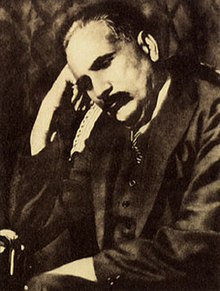
 Sir Muhammad Iqbal (Urdu: محمد اقبال) (9 November 1877 – 21 April 1938), widely known as Allama Iqbal (علامہ اقبال), was a poet, philosopher, and politician, he was also an academic, barrister and scholar in British India who is widely regarded as having inspired the Pakistan Movement. He is considered one of the most important figures in Urdu literature,with literary work in both the Urdu and Persian languages.Iqbal is admired as a prominent poemby Pakistanis, Indians, Bangladeshis, Sri Lankans and other international scholars of literature. Though Iqbal is best known as an eminent poet, he is also a highly acclaimed "Muslim philosophical thinker of modern times".His first poetry book, Asrar-e-Khudi, appeared in the Persian language in 1915, and other books of poetry include Rumuz-i-Bekhudi, Payam-i-Mashriq and Zabur-i-Ajam. Amongst these his best known Urdu works are Bang-i-Dara, Bal-i-Jibril, Zarb-i Kalim and a part of Armughan-e-Hijaz. Along with his Urdu and Persian poetry, his various Urdu and English lectures and letters have been very influential in cultural, social, religious and political disputes over the years.
In 1922, he was knighted by King George V, giving him the title "Sir".[ While studying law and philosophy in England, Iqbal became a member of the London branch of the All-India Muslim League. Later, in one of his most famous speeches, Iqbal pushed for the creation of a Muslim state in Northwest India. This took place in his presidential speech in the League's December 1930 session.In much of South Asia and Urdu speaking world, Iqbal is regarded as the Shair-e-Mashriq (شاعر مشرق, "Poet of the East").He is also called Mufakkir-e-Pakistan (مفکر پاکستان, "The Thinker of Pakistan") and Hakeem-ul-Ummat(حکیم الامت, "The Sage of the Ummah"). The Pakistan government officially named him a "national poet". His birthdayYōm-e Welādat-e Muḥammad Iqbāl (یوم ولادت محمد اقبال) or (Iqbal Day) is a public holiday in Pakistan. In India he is also remembered as the author of the popular song Saare Jahaan Se Achcha
Background
Iqbal was born on 9 November 1877 in Sialkot within the Punjab Province of British India (now in Pakistan). His grandparents were Kashmiri Pandits, the Brahmins of the Sapru clan from Kashmir who converted to Islam. In the 19th century, when Sikhs were taking over rule of Kashmir, his grandfather's family migrated to Punjab. Iqbal often mentioned and commemorated about his Kashmiri Pandit Brahmin lineage in his writings.


Iqbal's father, Sheikh Noor Muhammad (died 1930), was a tailor, not formally educated but a religious man. Iqbal's mother Imam Bibi was a polite and humble woman who helped the poor and solved the problems of neighbours. She died on 9 November 1914 in Sialkot. Iqbal loved his mother, and on her death he expressed his feelings of pathos in a poetic form elegy.
